Why I Built Otentick:
Making Room for the Stories We’re Afraid to Tell
A personal story about gambling, lost time, renewed focus, and finding purpose in honest storytelling.
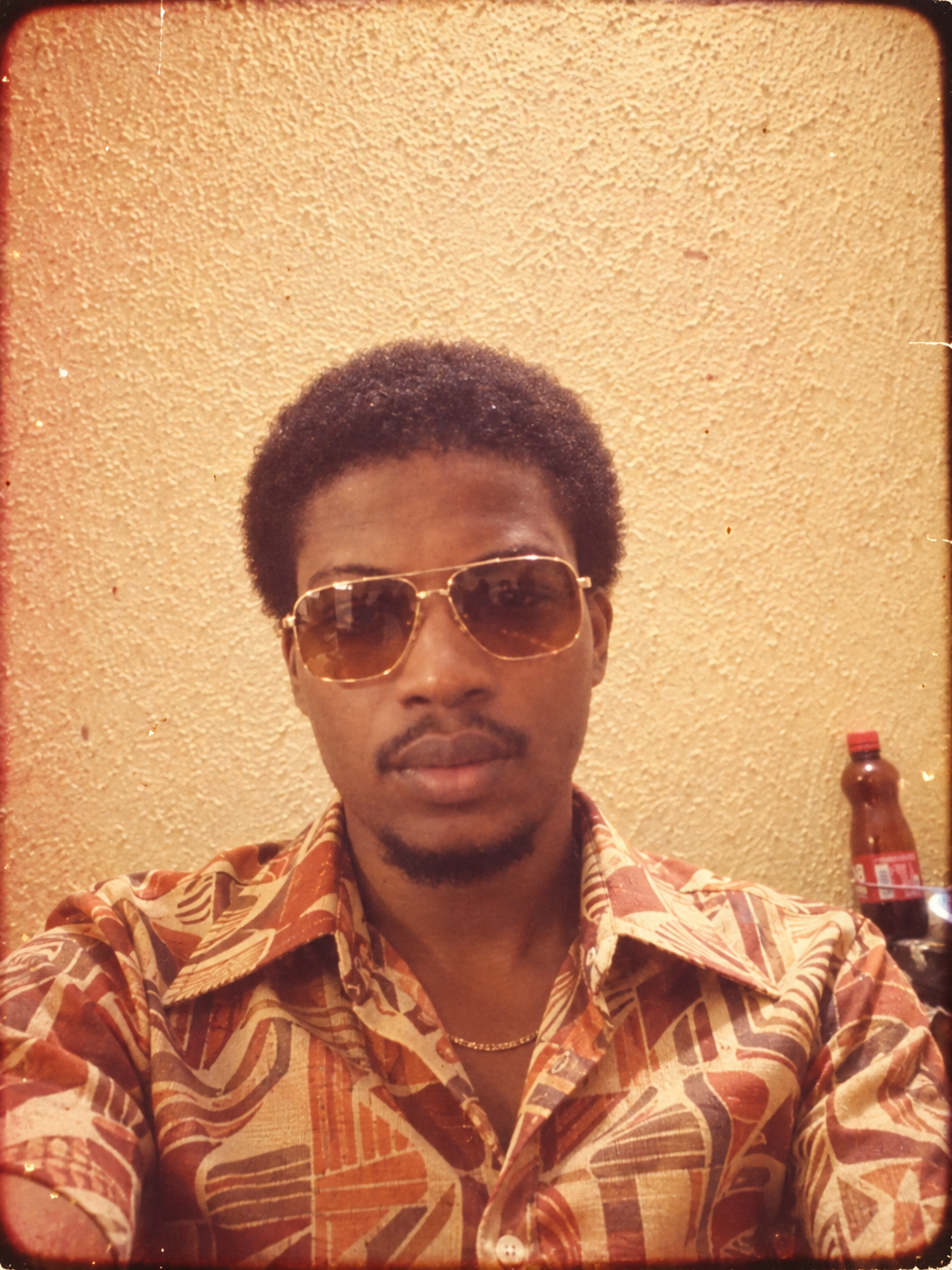
About the author
I’m the person behind Otentick. This is the story of how facing what gambling took from me, finding focus again, and discovering new possibilities through work shaped what I wanted to build.
Gambling took time from my life that I know I cannot get back. Realizing that was difficult, but it also made one thing clear: I could not change the time already lost. I could choose what to do with the time ahead.
I became locked in on the work and opportunities in front of me. I found the motivation to prepare for and pass the interviews. Within a month, I had secured a gig with Mercor. Over roughly three weeks, that work brought in around ₦2 million.
My bank statement became a testimony to how much had changed. That income changed my life, but it did not give me the lost time back or erase what gambling had taken from me. It showed me that my life could move in a different direction, and gave me a reason to keep building from where I was.
I had also shared parts of my gambling story anonymously on Otentick. Being able to choose anonymity gave me room to speak honestly while keeping control over my identity. It made me think about how many people have experiences they want to share but are not ready to attach their names to.
That is part of why I built Otentick: a place where people can share real experiences in writing or in their own voice, with their name or anonymously. I want people to have the choice to tell their stories on their own terms, and to find connection in hearing that someone else has faced something difficult too.
Where my story meets ikigai
Ikigai is often translated as a reason for living or a sense that life is worth living. The familiar four-circle diagram gives me a way to reflect on purpose through four questions: What do I love? What am I good at? What does the world need? And what work can support me?
How I see the circles in my own story
- What I care about: honest stories that help people feel less alone.
- What I’m building on: the focus it took to prepare for and pass interviews, then keep moving forward.
- What people need: a place to share real experiences in writing or in their own voice, with a choice about anonymity.
- Work that can sustain me: the Mercor opportunity showed me that focused effort could open a new financial direction; it did not erase the losses or make the hard years worthwhile.
The four-circle picture is a modern purpose framework popularized in 2014, rather than a complete or traditional definition of the Japanese concept. I use it as a reflection tool. I don’t believe gambling happened for a reason; I choose to give my experience direction now by making more room for honest stories. About the diagram’s history · Research describing ikigai as a reason for living.
My story is still being written. I want to share it fully: the gambling, the time I cannot recover, the focus that followed, the opportunities that changed my direction, and what I am building now.